Build to Sell Roadmap — From Invention to Acquisition
The Roadmap for a Strategic Development with a Clear Exit in Mind

Choosing a Build to Sell strategy means you are not trying to build the largest possible company. Instead, the goal is to create something valuable enough that another company wants to acquire it.
That requires a different way of thinking. The focus is not endless growth, but reducing uncertainty: proving that the technology works, validating the market, protecting your intellectual property and building a structure that others can continue to develop.
Every phase in the Build to Sell roadmap has one objective: reduce uncertainty. Each milestone removes a specific type of risk, increases the value of your invention and brings you one step closer to an attractive acquisition opportunity.
This roadmap brings together the most important steps involved in turning an invention into a sellable startup. Not every project follows the exact same route, but understanding the sequence behind these decisions can help you avoid expensive mistakes and wasted years.
Phase 0 — Explore the Idea
Most inventions begin before there is a company, a business plan or even a clearly defined invention. A researcher may run a simple experiment in a laboratory, an engineer may build a rough prototype in a workshop, or an inventor may simply ask, “What happens if I try this?” Sometimes the first experiment is funded by a university, research institute or company. Sometimes it is little more than what I always call a Friday afternoon experiment, using whatever resources are available.
The purpose of this first experiment is not to build a product. It is to find out whether the idea deserves another step. A good experiment should be capable of proving you wrong. If the result is negative, you should be able to understand why and decide to stop or rethink the idea. If the result is positive, you have earned a reason to investigate the invention further.
At this point, you may not have a company, a website, an investor, or even a formal development budget. That is perfectly normal. Early experiments may be supported by existing university or company resources, personal money, early-stage grants, feasibility funding, technology-transfer funds or other forms of public support. These sources can help you take the first steps before the project is sufficiently de-risked to attract professional investors.
The First Questions Every Inventor Asks
Most innovation journeys do not begin with a business plan or a roadmap. They begin with questions. Before investing significant time or money, or discussing an invention with others, inventors first need to reduce the biggest uncertainties surrounding their idea. The questions below represent the issues that almost every inventor encounters during the earliest stage of innovation.
- Does my invention already exist?
- How do I protect my idea before talking to others?
- Can I patent an idea?
- Can I patent my invention?
- How do I get a patent?
These questions are not necessarily steps that every inventor must follow in exactly this order. They are the first decisions that help determine whether an interesting experiment should become an invention worth protecting and developing.
Phase 1 — Protect the Idea Before You Build
If the first experiments suggest that your idea may be worth pursuing, the nature of the project changes. You now have something that may be worth protecting before you disclose it or invest heavily in further development. This is the point at which questions about prior art, patentability, confidentiality and the cost of obtaining intellectual property protection become important.
If you want to understand the basics before exploring the more specific questions, the two cornerstone resources below provide a broader introduction to patent protection and confidentiality. They are intended as starting points for inventors who want to build a solid understanding before moving on to the more detailed topics in this roadmap.
Protect Your Invention Before You Share It
In a Build to Sell strategy, intellectual property is often one of the first real assets you create.
Before discussing your invention with investors, companies or development partners, it is important to understand how patent protection works. Public disclosure at the wrong moment can destroy future patent opportunities and reduce the value of your technology.
This guide explains the basics of patents, ownership, timing and confidentiality — and why these decisions matter early in a Build to Sell roadmap.
Use Confidentiality Agreements Before Sharing Your Idea
Many inventors lose control over sensitive information long before a startup is formally created.
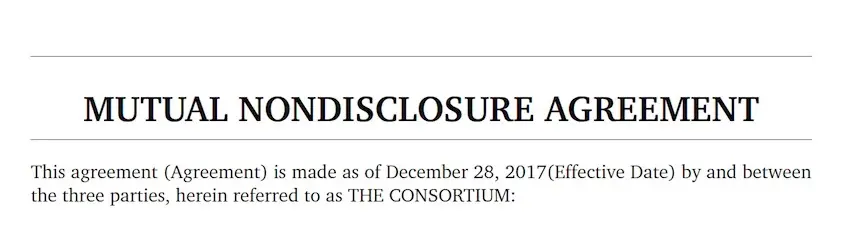
In a Build to Sell strategy, you will often need to discuss your invention with potential partners, developers, investors or manufacturers. Before doing so, it is important to understand when confidentiality agreements make sense — and when they may not be enough.
This guide explains how NDAs work, what they typically contain, and why confidentiality becomes especially important during the early stages of invention development and startup formation. And find a free template.
Phase 2 — Validate the Problem and the Market
Technology alone is rarely enough. A Build to Sell strategy depends on proving that your invention solves a meaningful problem for a clearly identifiable market. This phase reduces market risk by demonstrating that a real customer problem exists.
Phase 3 — Build the Smallest Viable Solution
The purpose of an MVP is not to build a finished product, but to reduce uncertainty. In many successful acquisitions, the acquiring company buys validation, expertise and positioning — not a fully mature business. This phase reduces technical risk through prototypes, proof of concept and early validation.
Phase 4 — Build the Right Team and Company Structure
As the project grows, questions about ownership, technical leadership and decision-making become increasingly important. Many startups encounter serious problems at this stage. This phase reduces execution risk by creating a capable team and a scalable company structure.
Phase 5 — Finance Development Without Losing Control
Most technology startups require external funding at some stage. But financing does not begin with an investor writing a large cheque. By the time professional investors become interested, much of the early technical and market risk should already have been reduced.
At this stage, the question is not simply how much money you can raise. You need to understand how much capital you actually need, when you need it, what that capital should achieve, and what you are giving up in return. The right financing can help you reach the next important milestone and increase the value of the company. The wrong financing can create unnecessary dilution, loss of control or financial pressure.
If you are new to startup financing, the cornerstone resources below provide a broader introduction to the subject. They explain the role of capital, how investors look at technology businesses, and why investors generally need a company structure before they can invest.
Questions to Ask Before Raising Capital
-
How Much Capital Do I Need?
How much money do you actually need to reach the next meaningful milestone rather than simply to keep developing the company? -
When Should I Raise Capital?
Should you raise money now, or would it be better to reduce more risk and increase the value of the company before seeking external funding? -
What Should the Capital Achieve?
Which uncertainty, technical risk or market risk should the money help you remove, and what milestone should you be able to reach as a result? -
How Can I Finance Development Without Losing Control?
What are the consequences of equity, debt, grants and other forms of financing for ownership, control and future acquisition value?
Startup Capital: Understanding How to Finance Your Development
Understand why startups need capital, where early funding comes from, and how financing changes as an invention moves from early development toward commercialization.

Developing an invention costs money long before a professional investor is likely to become interested. Early experiments may be supported by a university, research institute, company, personal resources, grants or other forms of early-stage funding. As technical and market risks are reduced, the financing options available to the project can change.
This guide explains the role of startup capital and the different ways an inventor or startup can finance development. It also explains why the question is not simply how much money you can raise, but what the capital should help you achieve.
How Investors Think
Understand how investors assess technology, risk, opportunity and the potential return on their investment.

An inventor naturally looks at an invention from the perspective of what it could become. An investor has to look at it differently: how much risk remains, what evidence exists, how much capital will be required, and whether the potential return justifies taking that risk.
Understanding this perspective can help you prepare for investment discussions and, more importantly, understand why reducing technical and market risk can make an invention increasingly attractive to investors.
Why Do Investors Need a Company?
Understand why professional investors generally invest through a company rather than directly in an invention or an individual.

An inventor may have developed valuable technology without having a company at all. But when external investment becomes necessary, the question of legal structure becomes important. Investors generally need a clear ownership structure through which their investment, shares and rights can be defined.
This page explains why investors need a company structure, how shares relate to ownership and control, and why creating a company is more than an administrative step when you are preparing for external financing.
Phase 6 — Position the Startup for Acquisition
A Build to Sell company is designed with a future buyer in mind. Strategic positioning, intellectual property, market validation and technical credibility all influence acquisition potential. This phase reduces acquisition risk by making the company easier to evaluate, integrate and purchase.
Not Sure Whether Build to Sell Fits Your Goals?
Not every inventor wants to build a company for acquisition. Some prefer licensing, long-term growth, or publishing their work openly. Compare the four different invention strategies to decide which route fits your goals, ambitions and personal situation.