Introduction
Before an invention is protected by patents or other registered intellectual property rights, confidentiality is
often your first and only line of defence. However, inventors, researchers and startup founders frequently need to discuss ideas with
potential partners, investors, manufacturers or development teams long before their innovation is ready for market.
But there are several tools that can help you to protect valuable knowledge during this early stage. The most
important are
(1) Non-Disclosure Agreements (NDAs) that
establish confidentiality obligations between parties, (2) Material Transfer Agreements (MTAs) that regulate the
sharing of
physical research materials, and (3) trade secret strategies that help organizations preserve competitive advantages
by
keeping critical information confidential.
Together, these safeguards form an important part of a broader intellectual property strategy. They can reduce the
risk of unauthorized disclosure, protect commercially valuable know-how, and help innovators collaborate with
greater confidence.
This hub brings together practical resources on NDAs, MTAs, trade secrets and confidentiality agreements, helping
you understand when to use each tool and how they fit into the commercialization of inventions and new technologies.
Protecting Confidential Information
Before filing a patent, many innovations need to remain confidential. Non-Disclosure Agreements (NDAs) and Material
Transfer Agreements (MTAs) help inventors, researchers and entrepreneurs protect valuable information when
discussing ideas, sharing prototypes or exchanging research materials. The articles below explain when to use these
agreements, how they differ and why they are essential for protecting intellectual property.

If you're developing an invention, startup, or new technology, you'll almost certainly have to share
confidential
information before your intellectual property is fully protected. That's where a Non-Disclosure
Agreement (NDA)
comes in. But when should you actually use one? What information can it protect? And when is an NDA not enough?
This practical guide explains how NDAs work, the difference between one-way and mutual agreements, common
mistakes
to avoid, and how confidentiality agreements relate to patents, trade secrets and intellectual property
strategy.
Whether you're preparing for your first investor meeting, discussing an invention with a manufacturer, or
collaborating
with a university, this page will help you understand when an NDA is the right tool—and when another form of
protection
may be more appropriate.
Confidentional information is only valuable as long as it remains secret—which is why non-disclosure agreements (NDAs) play a
central role in protecting the info. Also known as Confidentiality Agreements (CDAs), NDAs legally bind parties to keep
shared information private, making them essential in trade secrets, partnerships, negotiations, and early-stage product
development.
Because there's no one-size-fits-all NDA, it's useful to know what to look for before signing one. On this page,
you'll find a practical checklist of NDA essentials and a downloadable Word template you can tailor to your own
needs. Whether you're protecting an algorithm, product concept, or business strategy, a well-structured NDA is your
first line of defense.
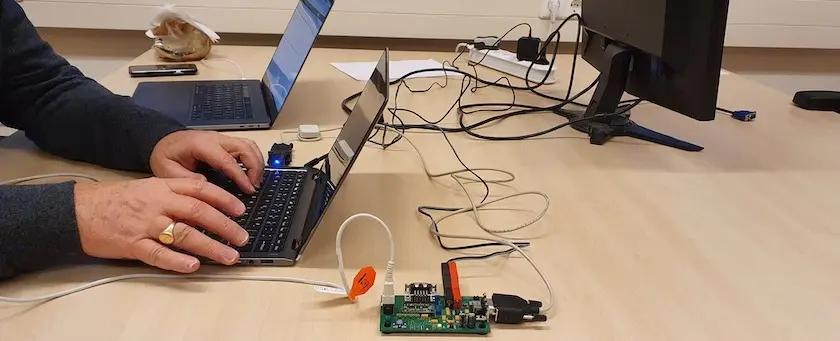
When researchers, universities and companies collaborate, valuable information and materials are often shared.
A Non-Disclosure Agreement (NDA) and a Material Transfer Agreement (MTA) can both play an important role, but
they protect different things.
An NDA focuses on protecting confidential information such as unpublished research results, technical know-how,
business plans or invention details. An MTA regulates the transfer and use of research materials such as
biological samples, cell lines, compounds or other valuable resources.
On this page, we explain the key differences between MTAs and NDAs, when you need only one agreement, and when
both agreements should be used together during research collaborations and technology development.
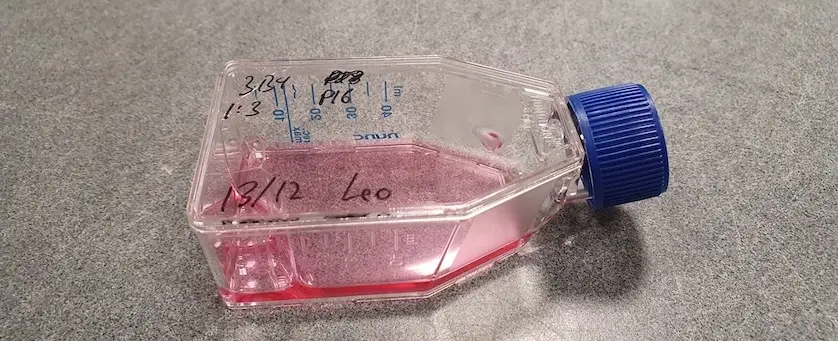
In research collaborations and technology development projects, valuable assets are often exchanged before a
product reaches the market.
These assets may include biological samples, chemical compounds, prototype materials, cell lines, software
tools, or other proprietary
resources. While a Non-Disclosure Agreement protects confidential information, it does not necessarily regulate
the transfer, use,
ownership, or redistribution of physical materials.
That is where a Material Transfer Agreement (MTA) becomes important. An MTA defines what can be shared, how the
recipient may use the
material, who owns future results, and what happens when the collaboration ends. These agreements are widely
used by universities,
research institutes, biotech companies and technology startups to safeguard valuable know-how while enabling
collaboration.
On this page, we explain what an MTA is, when you need one, how it differs from an NDA, and which clauses
deserve special attention before transferring valuable research materials or proprietary technology.
What Can Go Wrong?
Many inventors focus on developing their technology but pay far less attention to protecting the knowledge behind
it. Unfortunately, valuable ideas can lose much of their commercial value if confidentiality is not properly
managed. Once information becomes public, it may be impossible to turn it into a trade secret, and in some
situations it can even affect future patent opportunities.
This does not mean that inventors should never discuss their ideas. Collaboration is often essential for development
and commercialization. However, sharing information without the right safeguards can create unnecessary risks. NDAs,
confidentiality agreements and other protective measures exist for a reason: they help innovators maintain control
over who knows what, and under which conditions.
The story of Dutch inventor Jan Sloot painfully illustrates the importance of protecting critical knowledge. Whether his
technology would ultimately have worked remains a subject of debate, but his case shows how fragile valuable
know-how can become when it depends entirely on secrecy and the inventor's personal control (don't show and don't tell) over information.

Bringing a disruptive idea to market, like Jan Sloot's extraordinary invention which is told in this page,
involves both
incredible opportunities and significant risks. The Sloot story vividly illustrates the challenges of
maintaining
secrecy while pursuing development and partnerships. From navigating confidentiality agreements to securing
patents,
there are clear steps every inventor can take to avoid pitfalls and maximize their invention's value...